
With ongoing load reduction, rising electricity prices (more increases are looming), and an increasingly unreliable grid with frequent unplanned outages, many South African homeowners are exploring solar energy as a long term solution. In a city like Durban, where sunshine is plentiful, solar power is not just an alternative but a practical option for many households.
Durban receives more than 2,000 hours of sunshine each year, making it well suited to solar energy generation. A properly designed solar system can significantly reduce reliance on municipal electricity, lower monthly energy costs, and provide backup power during outages when paired with battery storage. As electricity tariffs continue to increase, the ability to generate your own power offers both financial relief and greater control.
One of the biggest reasons homeowners choose solar is reliability. Load reduction and power outages have become a part of daily life, and hybrid solar systems with batteries allow essential appliances such as lights, fridges, Wi-Fi, and security systems to keep running when the power goes out. Solar also helps protect households from future tariff hikes, offering predictable energy costs over the long term.
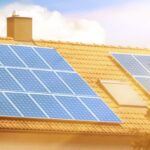
Before installing solar, it is important to assess whether your home is suitable. Roof type and condition plays a key role. Your roof should be structurally sound and ideally have many years of life remaining, as solar panels are designed to last 20 to 25 years. North facing roofs perform best in South Africa, but east or west facing roofs can still work effectively. Shading from trees, neighbouring buildings, or chimneys should be evaluated, as even partial shading can reduce performance.
Available roof space is another consideration. A typical residential system requires sufficient surface area to accommodate the number of panels needed to meet your energy demands. Roof material also matters. Metal and tiled roofs are generally suitable for solar installations, while asbestos or thatched roofs usually require replacement before panels can be installed safely.
Cost is often one of the biggest deciding factors. Residential solar systems in South Africa typically range from around R60,000 for fundamental solutions to R200,000 or more for larger systems with large capacity battery storage. While the upfront investment can be significant, many homeowners find that their systems pay for themselves within five to eight years through electricity savings. Alpha Power offers alternative financing options such as rent to own plans, paid monthly over flexible terms which can make solar more accessible without a large initial outlay.
Battery storage is an important decision. Grid tied systems without batteries can reduce electricity bills but will not provide power during outages or at night and poor weather conditions. Hybrid systems with batteries offer both savings and backup power, making them the most popular choice. Fully off grid systems are possible but generally require larger investments and are less common in urban areas.
Maintenance requirements for solar systems are relatively low. Panels may need occasional cleaning, and inverters and batteries have defined lifespans that should be planned for over time. Inverters should be serviced periodically to ensure optimal performance. Software updates improve overall reliability and enhance the system’s operating platform. Using quality components and professional installers is essential for safety, compliance, performance, and long term reliability.
Ultimately, solar energy is about more than cost savings. It offers peace of mind, energy independence, environmental benefits, and protection against an unstable power supply. For homeowners in Durban who plan to stay in their homes long term and have suitable roof conditions, solar energy can be a smart and future focused investment.
If you are considering solar and would like guidance on whether it is right for your home, Alpha Power is here to help. We offer professional site assessments, tailored system designs, flexible payment options, and ongoing support to make your transition to solar simple and reliable.
 5 Questions to Ask Before Installing Backup PowerPrevious Post
 Run High Energy Appliances During Peak Solar HoursNext Post

